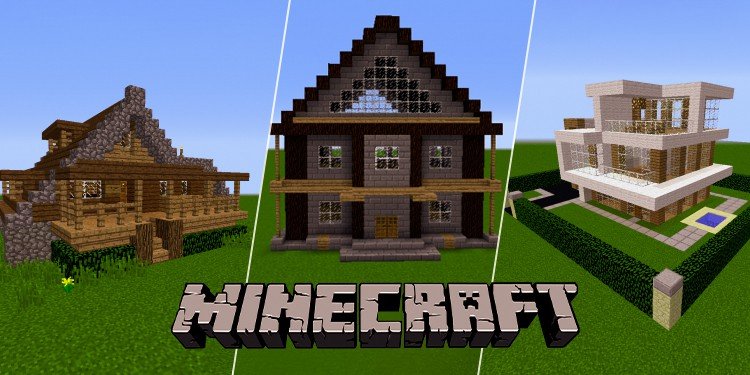
Embarking on your Minecraft journey is thrilling, but nothing anchors that adventure like a solid home base. For many new players, the thought of designing a functional yet stylish shelter can be daunting. That's where Beginner Minecraft Blueprints & Tutorials become your best friend, transforming complex builds into simple, step-by-step projects. Forget aimlessly placing blocks; with the right guidance, you'll craft a secure, aesthetically pleasing home that truly feels like yours.
At a Glance: Your First Minecraft Home
- Why Build? Your house is a safe haven from hostile mobs, a central hub for storage and crafting, and a reflection of your evolving skills.
- Start Simple: Focus on basic resources (wood, dirt, stone) and straightforward designs. Don't aim for a mansion on day one!
- Blueprints are Your Guide: Use pre-designed plans and video tutorials to learn foundational building techniques without the stress of freehand design.
- Essential Tools: You'll need axes, pickaxes, shovels, and a crafting table. Keep them enchanted if possible!
- Location, Location, Location: Choose a flat, open area initially, or strategically integrate your build into existing terrain.
- Customize It: Blueprints are a starting point. Feel free to tweak colors, materials, and internal layouts to make the house truly your own.
Why a Blueprint is Your Best Friend in Survival Minecraft
Imagine stepping into a vast, blocky world. You're alone, the sun is setting, and unfamiliar sounds echo through the trees. Panic sets in. Where do you go? What do you do? This is the quintessential Minecraft beginner experience. Your first priority isn't mining diamonds or slaying dragons; it's building a shelter.
A blueprint, especially when paired with a clear tutorial, cuts through the confusion. It's like having an experienced architect guiding your hand, showing you exactly which blocks to place, where, and when. This structured approach is invaluable in survival mode, where every misplaced block or wasted minute can mean the difference between a cozy night indoors and a frantic scramble away from a creeper. It allows you to build confidently, learn core mechanics, and quickly establish a base of operations to store your precious resources, craft tools, and safely plan your next adventure.
Preparing for Construction: Your Starter Toolkit & Mindset
Before you even think about placing your first block, a little preparation goes a long long way. This isn't just about having the right materials; it's about having the right strategy.
Gathering Essential Resources
For beginner houses, wood is king. It's abundant, easy to harvest, and versatile. You'll primarily need:
- Wood Logs/Planks: Chop down plenty of trees. Aim for at least 3-4 stacks of logs for a decent starter house. You'll convert most into planks.
- Sticks: For tools, ladders, and torches.
- Crafting Table: Indispensable for all crafting.
- Furnace: Essential for smelting ores and cooking food.
- Chest(s): Crucial for storing your loot safely.
- Torches: Light up your home to prevent mob spawns and navigate at night. Gather coal or make charcoal by smelting wood logs.
- Stone/Cobblestone: For a furnace, stone tools, and potentially an exterior foundation or detailing.
- Dirt/Gravel: Useful for temporary scaffolding or filling in small gaps.
Essential Tools for Beginners
- Wooden Axe: Your primary tool for gathering wood quickly. Upgrade to stone as soon as possible.
- Wooden Pickaxe: For mining stone and coal. Upgrade to stone next.
- Wooden Shovel: For dirt and gravel. Least priority for upgrade, but still useful.
- Sword (any material): For self-defense while gathering.
Choosing Your Build Site
The location of your first home can significantly impact your early game.
- Flat Terrain: Ideal for beginners as it requires less terraforming.
- Near Resources: Look for an area with plenty of trees, visible coal, and perhaps a water source nearby.
- Avoid Hazards: Steer clear of deep ravines, lava pools, or mob spawners if you can help it.
- Strategic Views: While not critical for survival, a nice view can make your base more enjoyable.
Decoding the Blueprint: What Makes a Good Tutorial?
The best Minecraft house tutorials for beginners aren't just about showing you what to build; they're about teaching you how. When you're sifting through the vast ocean of "build videos," look for these key indicators:
- Clear Block List: A well-made tutorial will provide a complete list of all necessary blocks and tools at the beginning. This lets you gather everything you need before starting the build, avoiding frustrating interruptions.
- Step-by-Step Instructions: The video should break down the build into manageable segments—foundation, walls, roof, interior. Each step should be clearly demonstrated, often with slow camera movements or annotations.
- Survival-Friendly Focus: The best tutorials explicitly state they are for survival mode, meaning they prioritize common, easy-to-obtain blocks and avoid complex, resource-intensive designs that are unrealistic for early gameplay.
- Pacing: The video should be easy to follow. You should be able to pause, build a section, and unpause without feeling rushed or lost.
- Visual Clarity: Good lighting, minimal distracting UI elements, and a clean build environment make it easier to see what's happening.
Your First Home: Top Beginner Minecraft Blueprints & Tutorials
After reviewing thousands of houses and countless hours of tutorials, we've identified some of the most impressive and genuinely achievable beginner-level homes. These designs prioritize ease of construction, resource efficiency, and clear video guidance, making them perfect for players just finding their feet in Minecraft 1.19+ Java Edition (though most principles apply across versions).
Simple, Sturdy Foundations: Classic Wooden Houses
These designs focus on the core elements of shelter using the most abundant material: wood. They are quick to build and offer excellent protection.
- Wooden Survival House (Folli): Folli's designs are renowned for their practicality and aesthetic appeal. This Wooden Survival House is a fantastic starting point, teaching you basic framing, wall construction, and roofing techniques. It's compact, efficient, and looks charming.
- Simple Survival House (SheepGG): SheepGG delivers another excellent entry-level option. This blueprint focuses on simplicity without sacrificing utility. It's a no-frills, get-it-done shelter that can be expanded later.
- Forest Survival House (SheepGG): Building on the "simple" concept, SheepGG's Forest Survival House integrates naturally into a woodland environment, often utilizing surrounding trees for a seamless look. It's a great choice if you prefer a subtle, nature-immersed base.
- Mangrove Starter House (Folli): If you spawn near a mangrove swamp, Folli's Mangrove Starter House is a brilliant option. It showcases how to use the unique red hues of mangrove wood to create a distinctive and attractive starter home.
Adapting to Biomes: Specialized Starter Shelters
Minecraft's diverse biomes offer unique building opportunities. These blueprints show you how to leverage your surroundings.
5. Desert House (Julious): Building in the desert requires specific considerations due to the lack of trees. Julious's Desert House tutorial often incorporates sandstone and other desert-native blocks, showing how to create a cool, functional base despite the arid environment.
6. Lake House (Zaypixel): Zaypixel is known for elegant and detailed builds. Their Lake House blueprint teaches you how to construct a charming dwelling that sits gracefully by the water's edge, often featuring docks or small balconies. It's a serene and picturesque starter home.
7. Cliff House (SheepGG): For the more adventurous builder, SheepGG's Cliff House demonstrates how to integrate your base directly into a cliff face. This can offer natural protection from one side and incredible views, though it might require a bit more terraforming.
Getting Creative with Terrain: Unique Survival Bases
Beyond conventional homes, some blueprints demonstrate how to use the terrain itself as a major part of your structure, offering unique advantages.
8. Underground Survival Shelter (SheepGG): The ultimate in stealth and early-game safety, SheepGG's Underground Survival Shelter focuses on digging directly into the earth. It's incredibly secure from external threats and resource-light on the surface.
9. Hobbit Hole (Goldrobin): Inspired by the cozy dwellings of Middle-earth, Goldrobin's Hobbit Hole blueprint is a delightful option for those who want a home that feels warm and integrated into a hillside. These builds are charming, functional, and surprisingly spacious inside.
10. Underwater Mountain House (Zaypixel): For a truly unique and challenging (but rewarding!) beginner build, Zaypixel's Underwater Mountain House offers an innovative approach. While "underwater" sounds complex, Zaypixel's tutorial guides you through the process of creating a submerged base, offering a safe and interesting perspective on the world. This one might require a bit more planning and a few extra buckets for water removal.
11. Ultimate Starter Survival Base (Bluebits): Bluebits often provides comprehensive and feature-rich starter bases. The Ultimate Starter Survival Base blueprint typically includes not just the living quarters but also integrated farming, storage, and crafting areas, offering a complete solution for long-term survival from day one.
Beyond the Basics: What to Expect Next (Intermediate Glance)
Once you've mastered the fundamentals with these beginner blueprints, you'll naturally want to expand your horizons. The world of Minecraft building is vast, and many creators offer incredible intermediate designs that build upon your newfound skills. These homes often use more diverse materials, intricate shapes, and incorporate advanced features.
You might find yourself drawn to:
- Ultimate Survival House (Folli): A larger, more complex version of Folli's starter homes, offering more space and features.
- Large Spruce Mansion (Folli): Utilizing spruce wood for a grand, multi-story structure.
- Wizard House (ZayPixel): Incorporating magical elements and detailed architectural styles.
- Wooden Mansion (Keralis): Keralis is a master builder, and his Wooden Mansions are sophisticated and expansive.
- Japanese House (Bluebits): Elegant designs that capture traditional Japanese aesthetics.
- Medieval Survival House (Axianerve): Stone, timber frames, and defensive elements create a classic, robust look.
- Fantasy House (Minecraft Fantasy House): Often featuring unique shapes, vibrant colors, and whimsical details.
- Modern Survival House (SheepGG): Clean lines, large windows, and contemporary materials for a sleek look.
- Sky House (Folli): Taking your base to the clouds, often requiring extensive scaffolding and planning.
Remember, the jump to these intermediate builds isn't about complexity for complexity's sake. It's about applying the core principles you learned from beginner blueprints to create larger, more detailed, and specialized structures. And if you're ever looking for more comprehensive ideas and structures, you can always explore Minecraft build blueprints to find your next great project.
Common Beginner Building Mistakes (And How to Avoid Them)
Even with a blueprint, beginners can stumble. Here are some common pitfalls and how to navigate them:
- Not Enough Materials: This is the most frequent issue. Always over-gather, especially wood. It's better to have too much than to run out mid-build and have to venture out at night.
- Solution: Double the estimated materials if you're unsure. Set up a temporary chest near your build site for easy access.
- No Light Sources: A dark house is a mob magnet. Creepers, zombies, and spiders will happily spawn inside your unlit home, making it anything but a safe haven.
- Solution: Place torches liberally inside and immediately around your house as you build. Aim for a light level of 8 or higher (torches provide 14).
- Forgetting a Door/Window: Sounds obvious, but in the rush to build, many forget entry points. This also applies to a roof, leaving you vulnerable.
- Solution: Plan your door and window placements early. Craft at least one door before nightfall.
- Ignoring the Foundation: Building directly on uneven ground can lead to awkward steps or gaps.
- Solution: Take a few minutes to flatten your build area or create a level foundation (e.g., a layer of cobblestone) before laying out your house's perimeter.
- Building Too Far from Resources: If your house is a long walk from trees or a mine, restocking becomes a chore.
- Solution: Choose a location within reasonable proximity to essential resources. You can always build secondary mini-bases later.
- No Escape Route: What if a creeper blows up your door? Or a mob corners you?
- Solution: Consider a back exit, a hidden passage, or even a simple hole in the wall with a ladder for emergencies.
- Not Enough Storage: As you progress, you'll accumulate vast amounts of items. A single chest won't cut it.
- Solution: Plan for a dedicated storage room or at least a wall of chests. Start with two large chests side-by-side.
Crafting Your Vision: Personalizing Your Blueprint
While blueprints provide a solid framework, the true joy of Minecraft building comes from making it your own. Think of a tutorial as a recipe: you follow it initially, but then you add your own spices and ingredients to suit your taste.
- Material Swaps: Don't like oak? Substitute with birch, spruce, dark oak, or jungle wood. Cobblestone can become stone bricks, diorite, or even terracotta. Experiment with different block palettes to create a unique feel.
- Interior Decor: Blueprints often focus on the exterior. Inside, you're the designer! Add carpets, paintings, item frames, bookshelves, and potted plants. Create dedicated spaces for enchanting, brewing, or farming.
- Exterior Accents: Enhance the outside with gardens, pathways, fences, custom trees, or even a small animal pen. A little landscaping goes a long way.
- Expansion: Many starter houses are designed to be expandable. Add a second story, an extension, a basement, or connect it to a mining shaft as your needs grow.
By personalizing your builds, you're not just following instructions; you're developing your own creative style and truly becoming a Minecraft architect.
Your Foundation for Adventure: Next Steps in Minecraft Building
You've built your first home, learned the ropes of construction, and perhaps even started customizing your space. This is just the beginning of your Minecraft building saga! From here, the possibilities are limitless.
Continue to seek out new Beginner Minecraft Blueprints & Tutorials as you expand your skills. Don't be afraid to tackle more complex designs or even start sketching out your own ideas. Every block you place, every structure you complete, adds to your confidence and expertise. Soon, you'll be the one inspiring others with your magnificent builds, transforming raw resources into breathtaking creations. So grab your tools, let your imagination run wild, and keep building! The world of Minecraft is waiting for your next masterpiece.